Image Credit – Hema
Hinduism is one of the world’s most ancient and diverse spiritual traditions, deeply rooted in Indian culture and philosophy. With over a billion followers worldwide, it remains a vibrant and evolving belief system. In this article, An Introduction to Hinduism will explore its origins, core principles, sacred texts, and unique features that make it unlike any other religion.
An Introduction to Hinduism: Understanding the World’s Oldest Living Religion
Origins and Historical Background
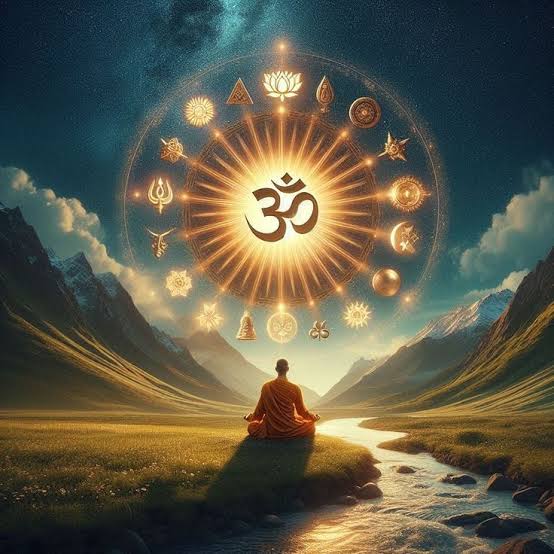
When we discuss An Introduction to Hinduism, it is important to understand that Hinduism has no single founder or specific starting date. Instead, it evolved over thousands of years, shaped by the Indus Valley Civilization, Vedic culture, and countless sages, philosophers, and spiritual leaders. This long history makes Hinduism not just a religion, but a way of life that adapts and grows with time.
The word “Hindu” originally referred to people living near the River Sindhu (Indus). Over time, it came to represent the spiritual practices and cultural traditions of the Indian subcontinent.
Core Beliefs and Concepts
A proper An Introduction to Hinduism must highlight its central beliefs, which guide the daily lives of millions:
1. Dharma (Righteous Living)
Dharma means duty, moral values, and the right way of living. It varies from person to person depending on age, role, and life circumstances.
2. Karma (Law of Action and Reaction)
Karma teaches that every action—good or bad—creates consequences. These outcomes shape our present life and future experiences.
3. Samsara (Cycle of Birth and Rebirth)
Hindus believe in reincarnation. The soul (Atman) is eternal and takes different births until it attains liberation.
4. Moksha (Liberation)
The ultimate goal in Hinduism is Moksha—freedom from the cycle of birth and death. It is achieved through spiritual knowledge, good deeds, devotion, and meditation.
Major Scriptures of Hinduism
Any detailed An Introduction to Hinduism should include its sacred texts. Hindu scriptures are vast and divided into two types:
Shruti (Heard/Divine Texts)
- Vedas – Rig, Yajur, Sama, Atharva
- Upanishads – spiritual and philosophical teachings
These texts are considered eternal truths revealed to ancient sages.
Smriti (Remembered Texts)
- Ramayana
- Mahabharata (including the Bhagavad Gita)
- Puranas
They teach moral values, ethics, and real-life applications of spiritual principles.
Deities and Worship Practices
Hinduism is often misunderstood as purely polytheistic, but An Introduction to Hinduism must clarify that it embraces many forms of the divine while believing in one Supreme Reality (Brahman).
Popular deities include:
- Brahma (Creator)
- Vishnu (Preserver)
- Shiva (Destroyer/Transformer)
- Lakshmi, Saraswati, Durga, Ganesh, Krishna, and Rama
Worship (puja) can be done at home or in temples. Rituals include chanting, offerings, meditation, and festivals like Diwali, Holi, Navratri, and Janmashtami.
Paths to Spiritual Growth
A meaningful An Introduction to Hinduism must explain the four main paths that help individuals progress spiritually:
- Bhakti Yoga – path of devotion
- Karma Yoga – path of selfless action
- Jnana Yoga – path of knowledge
- Raja Yoga – path of meditation and discipline
These paths allow followers to choose a spiritual approach that suits their nature.
Why Hinduism Stands Unique
Hinduism is flexible, inclusive, and diverse. It does not demand strict adherence to a single belief system. Instead, it encourages exploration, learning, and personal spirituality.
Its strength lies in its openness: multiple gods, philosophies, rituals, and ways of worship exist peacefully within the same umbrella.
This overview titled An Introduction to Hinduism offers a glimpse into a rich and profound spiritual heritage. Hinduism teaches harmony, truth, self-realization, and respect for all forms of life. Its wisdom, preserved for thousands of years, continues to guide and inspire people across the globe.
If you enjoyed this article or have your own thoughts on Hinduism, let us know in the comments!
Leave a Reply
You must be logged in to post a comment.