Image Credit- Hema
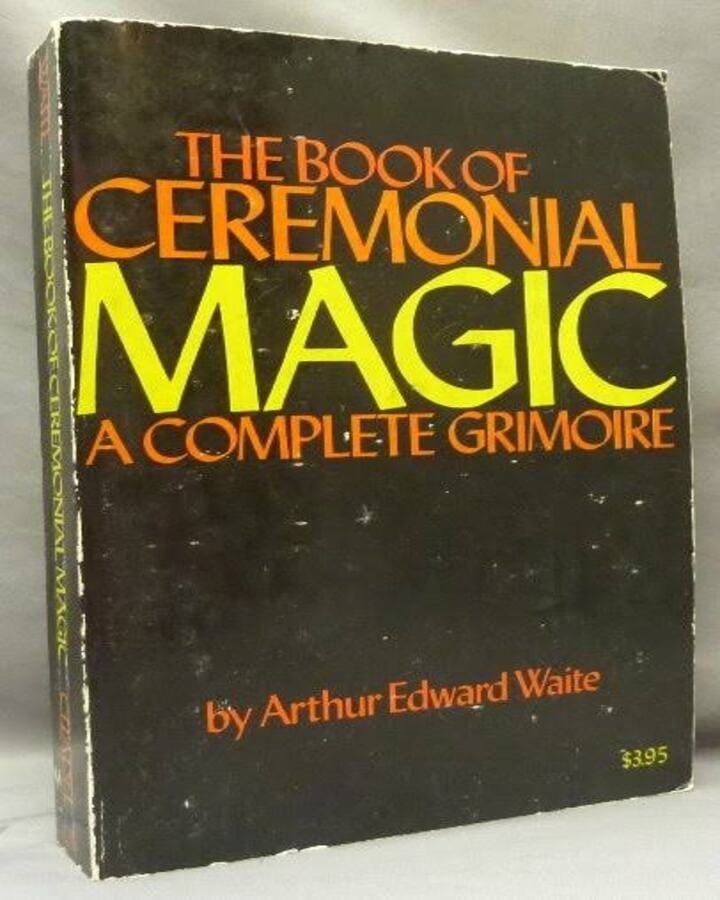
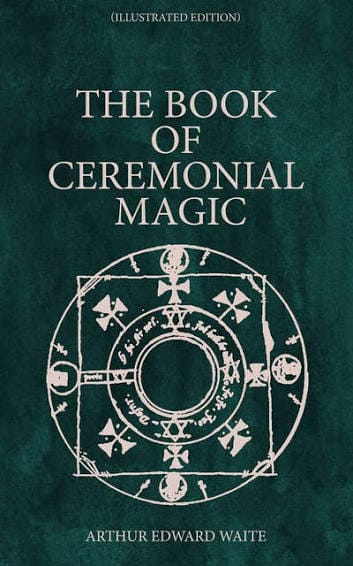
Ceremonial Magic by Arthur Edward Waite stands as one of the most influential works in the history of Western esotericism. Written by one of the leading occult scholars of the late 19th and early 20th centuries, this book explores the profound, symbolic, and ritualistic practices of magic that were deeply rooted in ancient spiritual traditions. Waite’s approach was not to promote magical practices for personal gain but to reveal their hidden philosophical and spiritual significance. His writing bridges the gap between mystical study and scholarly interpretation, offering readers a window into the world of ritual magic, symbolism, and spiritual transformation.
Ceremonial Magic by Arthur Edward Waite

Arthur Edward Waite, best known for co-creating the Rider-Waite Tarot Deck, was a researcher dedicated to uncovering the truth behind occult and mystical systems. In Ceremonial Magic, he describes magic not as a tool for controlling supernatural forces but as a spiritual journey toward divine understanding. The book emphasizes that true magic is the art of aligning the human will with divine will. Through ritual and symbolism, practitioners seek enlightenment and unity with higher consciousness.
Waite’s analysis of ceremonial magic covers a wide range of esoteric traditions, from medieval grimoires and Kabbalistic rituals to Rosicrucian and Hermetic teachings. He explores the symbolism of circles, pentagrams, and invocations, explaining how each represents deeper metaphysical truths. Unlike many occult writers of his time, Waite distinguished between genuine spiritual magic and mere superstition or trickery. For him, ceremonial magic was a sacred discipline meant to elevate the soul rather than manipulate reality for material desires.
Throughout Ceremonial Magic by Arthur Edward Waite, readers encounter a blend of mysticism and moral philosophy. Waite interprets the magician’s tools—the wand, chalice, sword, and pentacle—not simply as ritual instruments but as symbols of the inner elements of the self. He connects these elements to the alchemical process of spiritual purification, where the practitioner must balance the mind, heart, and spirit before attempting any higher magical operation. His perspective encourages introspection, ethical awareness, and the pursuit of truth, aligning with his lifelong quest for spiritual illumination.
One of the central themes of Waite’s work is the relationship between faith, ritual, and knowledge. He believed that ceremonial magic could only be understood through both intellectual study and spiritual experience. The rituals described in the text are not prescriptions for practice but frameworks for understanding how ancient magicians sought to connect with divine power. By decoding these ancient symbols, Waite guides readers toward a more profound awareness of the hidden unity between human consciousness and the cosmic order.
For modern readers, Ceremonial Magic by Arthur Edward Waite remains a fascinating exploration of humanity’s eternal search for divine truth. It appeals not only to students of the occult but also to philosophers, historians, and spiritual seekers interested in the deeper meaning of ritual and symbolism. The book’s legacy continues to influence modern esoteric studies, providing a foundation for understanding how magic, mysticism, and religion intertwine in the quest for higher wisdom.
Ceremonial Magic by Arthur Edward Waite is more than a guide to ancient rituals—it is a philosophical reflection on the soul’s journey toward enlightenment. Through its rich symbolism and deep spiritual insight, it reveals that the true essence of magic lies not in external power but in inner transformation.
Leave a Reply
You must be logged in to post a comment.