
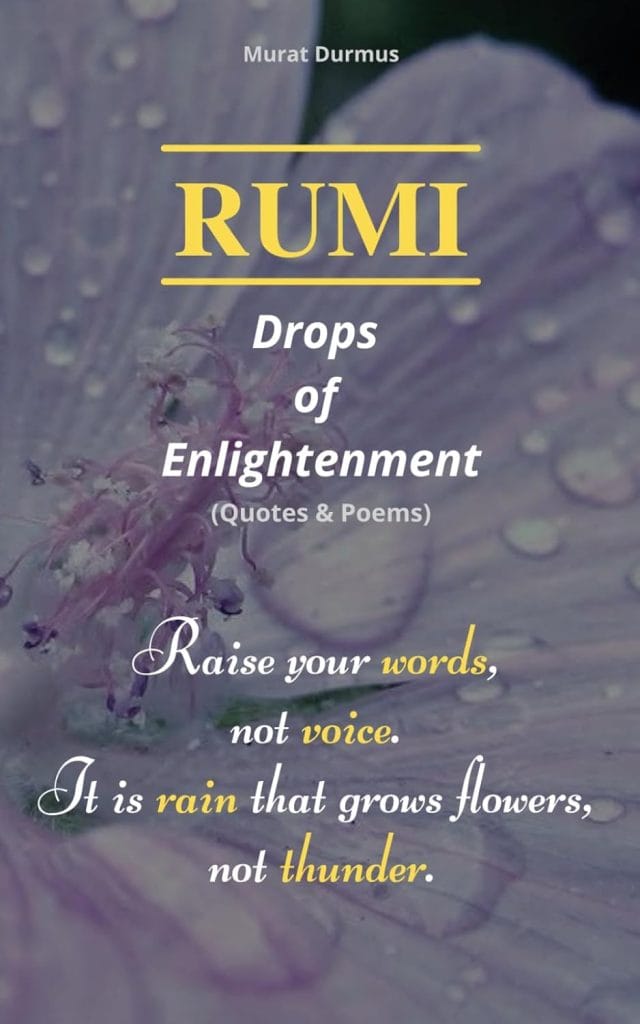
Image Credit – Hema
Few mystics have captured the essence of divine love and human transformation like Jalal al-Din Rumi. While many know him through his poetry in the Masnavi and Divan-e Shams, fewer are familiar with another powerful collection of his teachings — Rumis Discourses, also known as Fihi Ma Fihi (“It Is What It Is”). This work opens a window into Rumi’s spoken words, offering readers a glimpse of his direct guidance to students, seekers, and friends.
The Timeless Wisdom of Rumis Discourses: A Journey into the Heart of Spiritual Understanding

What Are Rumis Discourses?
Rumis Discourses are a series of informal talks recorded by his disciples. Unlike his poetry, which often uses symbolism and metaphor, these discourses are straightforward, conversational, and deeply personal. They explore profound spiritual truths in a way that feels intimate and alive, as if Rumi himself were sitting with us, explaining the mysteries of love, faith, and surrender.
Each section of Fihi Ma Fihi captures Rumi’s reflections on various aspects of human life — the ego, divine love, reason, the nature of God, and the path of transformation. He uses stories, parables, and everyday experiences to help listeners move beyond surface-level understanding into spiritual realization.
The Core Message of Rumis Discourses
At the heart of Rumis Discourses lies a call to awaken. Rumi invites us to look beyond appearances, to recognize the divine presence within ourselves and in all creation. His teachings are not limited to any one religion or culture; they speak the universal language of love and awareness.
Rumi reminds us that the journey toward truth begins within. He encourages self-reflection and humility, urging seekers to release the illusions of the ego. In one passage, he explains that knowledge without love is barren, but when the heart is filled with love, knowledge becomes a light that guides us to the Divine.
Spiritual Themes in Rumis Discourses
- The Nature of the Soul – Rumi describes the soul as a divine spark temporarily housed in the body. The spiritual journey is about remembering this origin and returning to that sacred source.
- Love as the Path – Love, for Rumi, is the bridge between human and divine. He teaches that every act of genuine love brings us closer to God.
- The Role of the Teacher – Rumi emphasizes the importance of guidance. The spiritual master serves as a mirror, reflecting the seeker’s hidden truths and helping them purify the heart.
- The Illusion of Separation – Rumi’s Discourses remind us that all divisions—between self and other, heaven and earth, lover and beloved—are illusions born of the ego. When we awaken, we see that everything is one.
Why Rumis Discourses Still Matter Today
In our fast-paced world, Rumi’s words offer stillness and clarity. Rumis Discourses speak directly to the modern soul’s longing for meaning. They remind us that wisdom is not found in accumulating information, but in living with awareness and love.
Many readers find that Fihi Ma Fihi feels surprisingly contemporary. Rumis Discourses, humor, and insight transcend centuries, guiding us toward a deeper understanding of ourselves and our connection with the divine
Rumis Discourses are more than historical teachings; they are a living conversation between the seeker and the divine. Through them, Rumi invites us to open our hearts, embrace love as our true nature, and awaken to the unity of all existence. Whether you are a student of spirituality, a lover of poetry, or simply someone seeking inner peace, exploring Rumis Discourses can illuminate your path and remind you of the timeless truth Rumi expressed so beautifully:
“The lamps are different, but the Light is the same.”
Leave a Reply
You must be logged in to post a comment.